Nine research teams. Four countries. One shared goal: to record the human brain as it sees, speaks, moves and decides, and to build models that predict it. The Digital Brain Project will bring together 15,000 hours of standardized brain recordings, a dataset no single laboratory could build alone, and then open it up: data and models released open source, for researchers around the world.
Coordinator of the project
with the Université de Montréal · sponsored by Meta
Research teams record participants' brain activity while they play interactive games inside brain scanners. A single game engages several major functions at once, in conditions far richer than traditional experimental protocols.
Recordings take place in high-precision scanners such as magnetoencephalography or high-field MRI. Each team collects dense data from a few participants over many sessions, and shares it in a common standard.
Around 15,000 hours of standardized recordings feed a foundation model of the human brain, learned from real neural activity during active thinking.
The goal is a model that predicts how the brain responds to a stimulus it has never seen. If an image is “shown” to this digital brain, it should respond the way a human brain does.
The model is a research tool. It is neither a medical device nor a treatment.
See how the approach worksNine research teams, selected by an independent scientific committee from 58 applications, design tasks, acquire brain data and share it with the whole community.

Switzerland
USA
Canada
United Kingdom

USA
USA
United Kingdom
France
France
USA
France
United Kingdom
Japan
USA
Switzerland
USA
Canada
United Kingdom

USA

USA

United Kingdom

France

France

USA

France

United Kingdom

Japan

USATeams record brain activity while participants play complex games. The pooled recordings train one digital model of the human brain, which is then tested under controlled conditions.
Input
Output
01Design tasksEach team builds games and tasks around its scientific question.02Acquire brain dataA few participants, recorded densely over many sessions.03Share standardized dataDe-identified recordings in BIDS format, for every lab to use.The model is a research tool. It is neither a medical device nor a treatment.
Nine research teams, selected in June 2026 for the quality of their experimental protocols, their scientific relevance and their capacity to produce and share de-identified data, work alongside the coordinating team in Paris and the academic partner in Montréal.
Nine selected research teams, with the coordinating team in Paris and the academic partner in Montréal.


University of Geneva · CH
Video games, attention & brain plasticity


Massachusetts General Hospital · Harvard Medical School · US
Human cortical physiology & epilepsy


Western University · CA
Computational models of motor control & cerebellum


The University of Osaka · JP
Visual perception & brain decoding with deep learning


University of Cambridge · UK
Attention, flexible cognition & multivariate brain decoding


University of Nottingham · UK
Wearable OPM-MEG & motion-tolerant brain imaging


University of Birmingham · UK
Neural mechanisms of attention


ENS-PSL · FR
Decision-making, inference & computational psychiatry
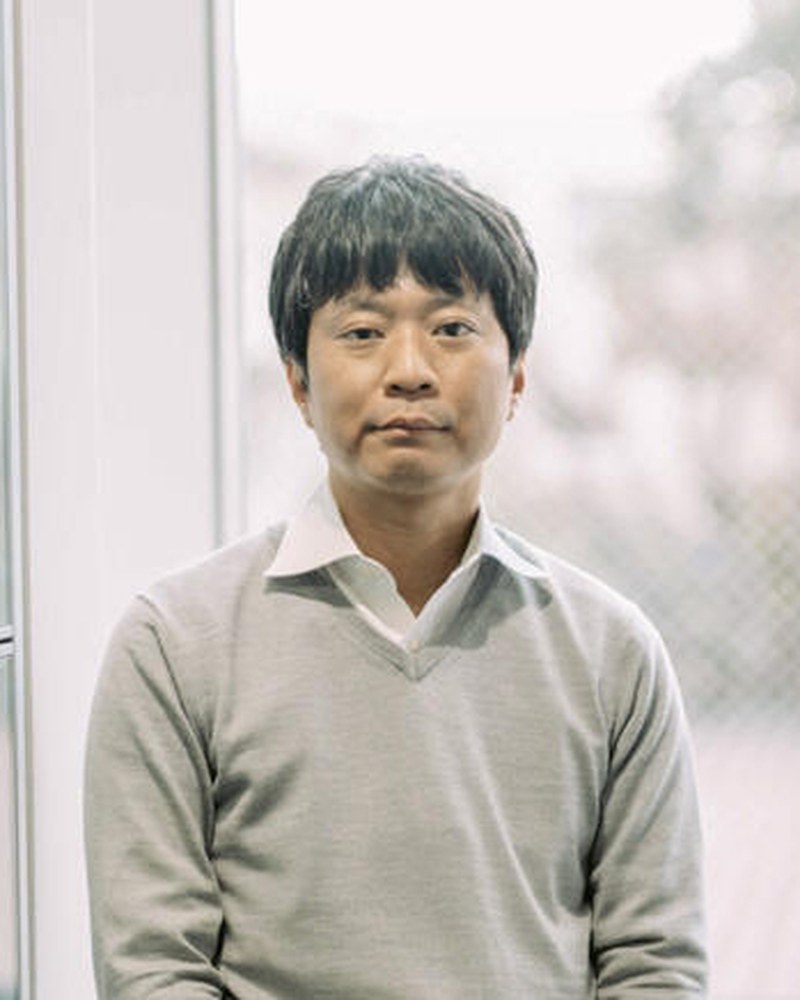
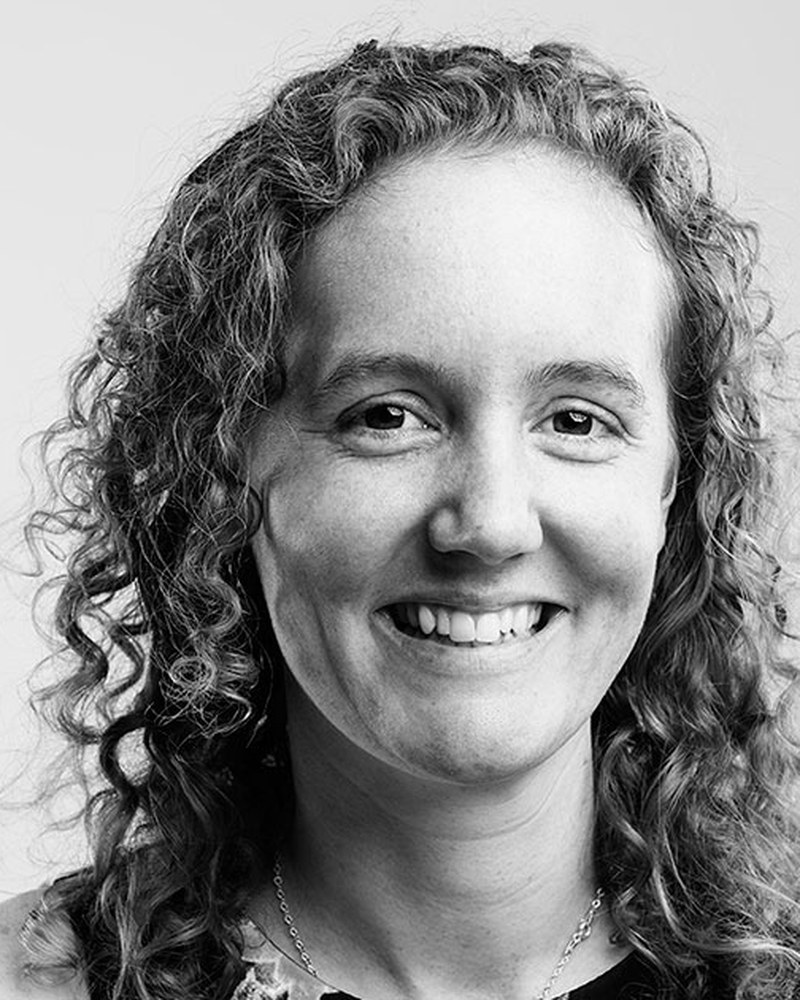
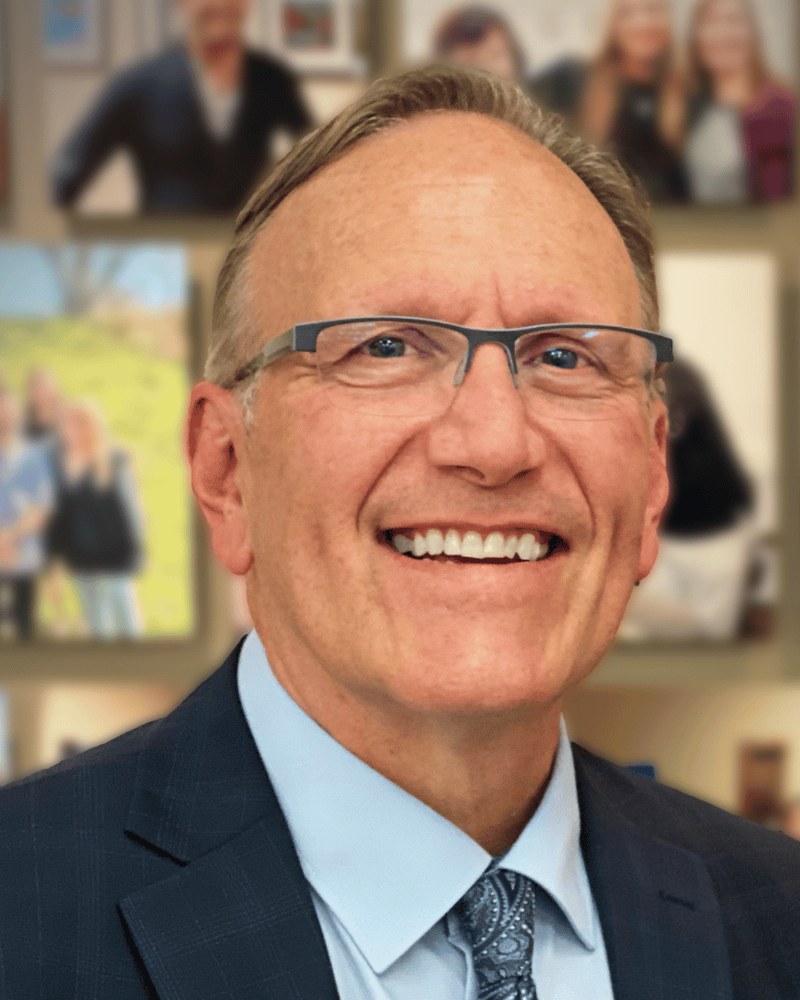
Six independent scientists who accompany the scientific direction of the project.

EPFL
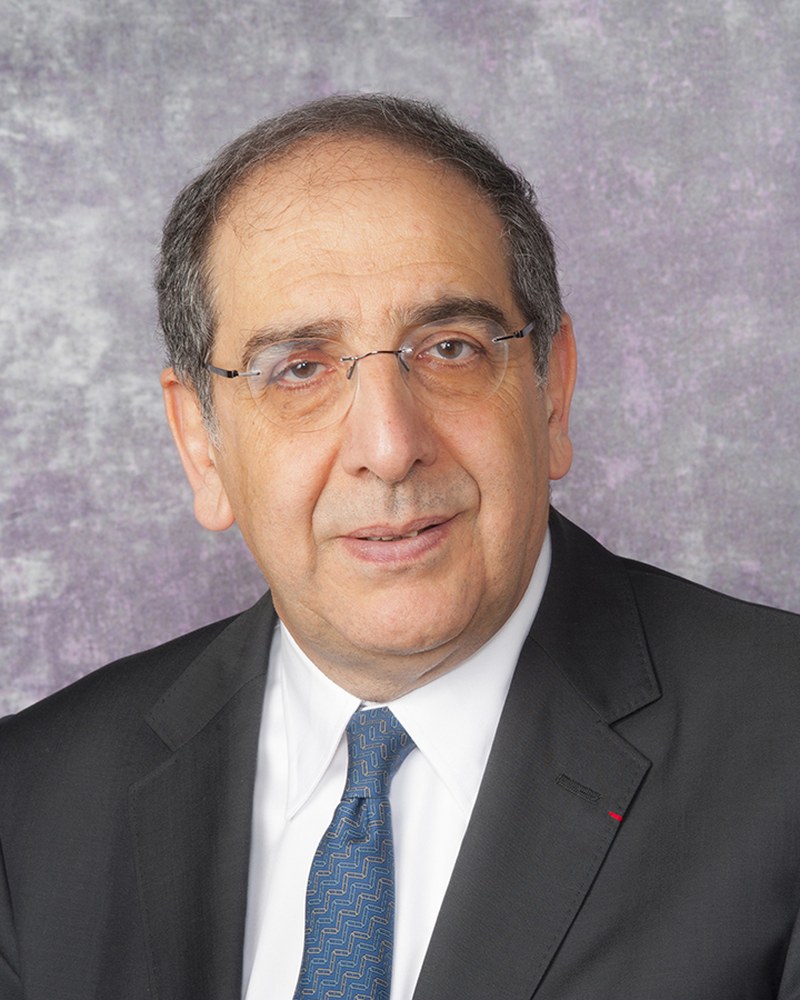
EPFL professor and member of the French Academy of Sciences, pioneering decentralized AI and distributed systems, and an advocate for gender diversity in tech.

Ruhr University Bochum · NYU
Cognitive neuroscientist studying the neural and computational mechanisms of consciousness, perception, memory and language.

University of Pittsburgh
Ophthalmologist and scientist, Chair of Ophthalmology at the University of Pittsburgh, at the forefront of vision restoration research.
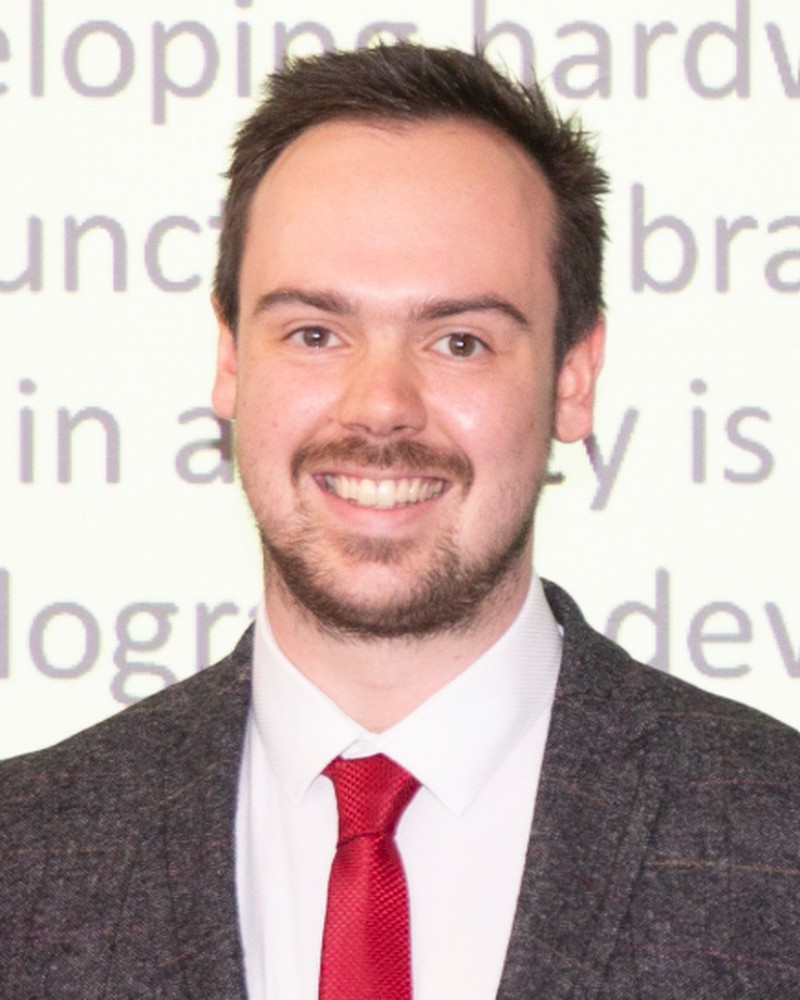
Representatives of the Foundation, the Université de Montréal and Meta.

Université de Montréal
Neuroimaging and open science researcher and project manager at the Université de Montréal.

We believe these goals can only be reached together. The de-identified dataset, the models and the processing pipelines are meant to be shared with the international scientific community, under open licenses.
DataThe entire de-identified dataset, in BIDS format, will be made available to the scientific community.
ModelsModels built from this data will follow the same open commitment.
PipelinesProcessing pipelines will be released as open source, and teams will co-author joint publications.
NeuroscienceRun in-silico experiments and predict brain responses to new stimuli, without new physical examinations.
MedicineModeling the healthy brain is a foundation for the neurology and psychiatry of tomorrow.
AIComparing deep neural networks with human brain data can inform more efficient, human-like AI.
The model is a research tool. It is neither a medical device nor a treatment.
The data collection target rises from 15,000 to 25,000 hours of brain recordings, five new labs join the project, and it expands in five directions, from complex behaviour to clinical impact.
Read the announcementNine teams join the Digital Brain Project, and an additional $10M brings total funding to $15M to collect and share neural data and build open foundation models of the human brain.
Read moreTeams were chosen for the quality of their experimental protocol, their scientific relevance and their capacity to produce and share de-identified data. Each receives up to $500,000.
Read moreThe international call was open to academic and clinical research teams in neuroscience, neuroimaging and data science.
Read moreFive new labs join the project, and the data collection target rises to 25,000 hours of brain recordings.
Coordinated by the Rothschild Hospital Foundation in partnership with Université de Montréal and supported by Meta, the project aims to gather the data needed to model how the human brain works as it reasons, plans and makes decisions.
The data collection target rises from 15,000 to 25,000 hours of brain recordings. That volume matters: research from Meta shows that AI models of the brain become more accurate as they are trained on more data.
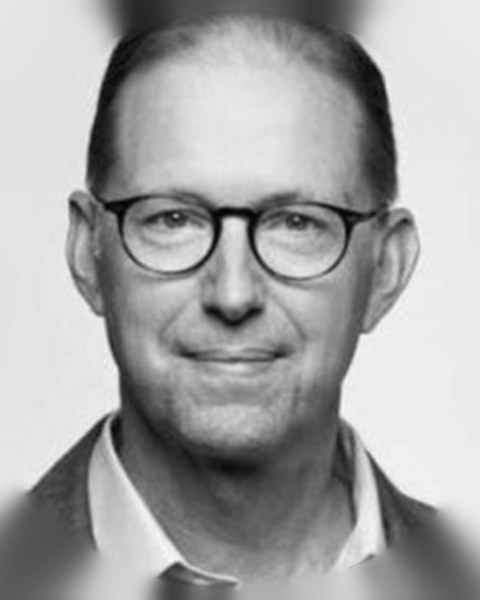
The clinical dimension is central for HFAR, where neuroscience research and clinical practice are closely linked. Over time, the models developed through the project should help us better understand and treat neurological disorders.
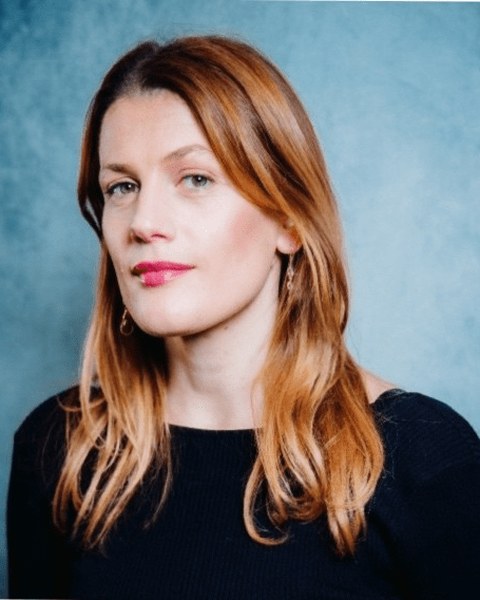
Epilepsy is one example. At the Open Source AI for Science Summit, Meta interviewed Dr Pierre Bourdillon, head of the TITAN laboratory, about his work simulating seizures that start in different regions of the brain, to help clinicians locate where a patient’s epilepsy originates. You can listen to the interview on Meta’s website.
All the data collected will be released openly for the entire scientific community.
Thank you to the teams of our first cohort, to those joining us, and to every researcher contributing to the project.
Back to news